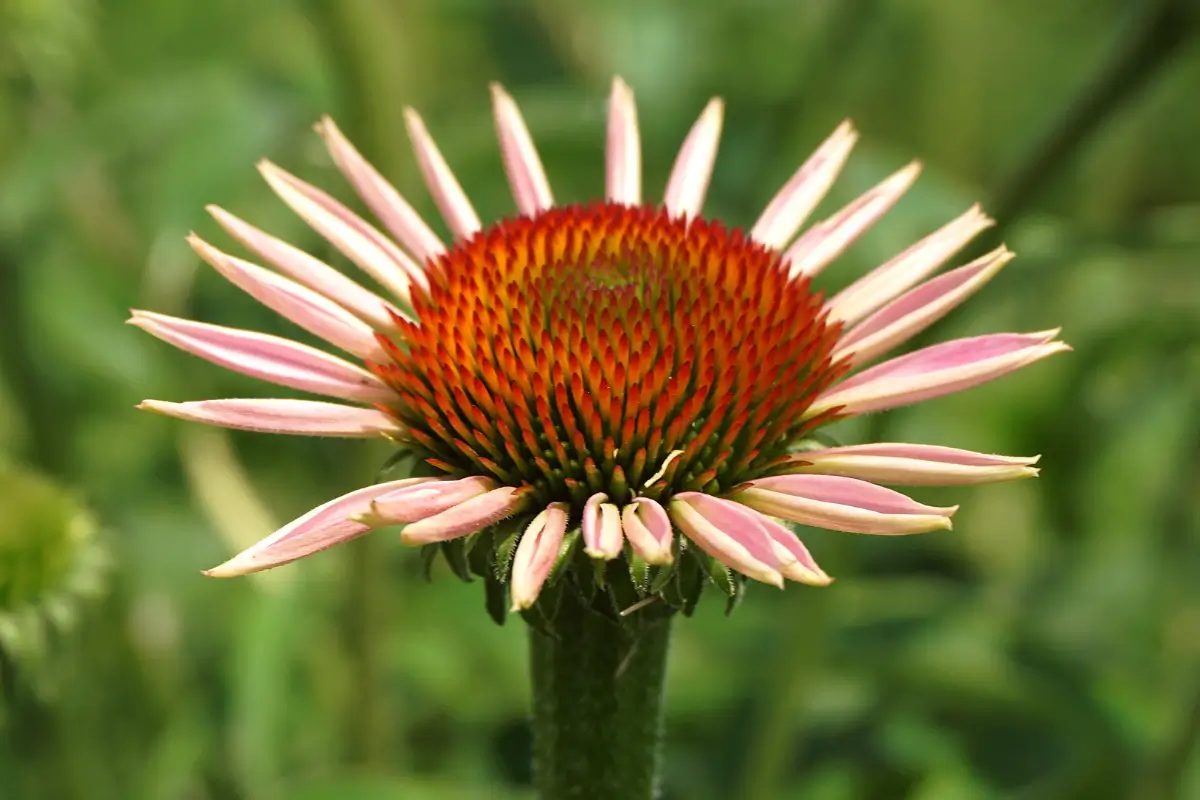
You wake up one morning with that familiar feeling — a scratchy throat, low energy, the unmistakable sense that a cold is on its way. For centuries, one plant has consistently drawn attention in exactly these situations: echinacea. But what can it actually do for your immune system? Let's take an honest look.
What Is Echinacea?
Origins and Traditional Use
Echinacea is a perennial plant native to North America, long used by Indigenous peoples to treat a range of conditions — wounds, respiratory infections, insect bites. Its name comes from the Greek echinos, meaning "hedgehog", a nod to the spiky appearance of its floral centre.
The Main Species: Purpurea, Angustifolia, Pallida
Of the nine echinacea species, three are commonly used in herbal medicine:
- Echinacea purpurea: the most studied, renowned for its immune-modulating effects.
- Echinacea angustifolia: traditionally used for respiratory infections.
- Echinacea pallida: less common, but equally rich in active compounds.
The Potential Benefits of Echinacea
Immune System Support
Echinacea contains polysaccharides, alkamides and phenolic compounds that appear to stimulate certain immune cells — macrophages and lymphocytes in particular. The goal? Strengthening your natural defences against pathogens.
Reducing the Duration and Severity of Colds
Multiple clinical studies suggest that echinacea, when taken at the first signs of symptoms, can modestly reduce the duration of a cold and ease its severity. A meta-analysis published in The Lancet Infectious Diseases (2007) reported an average symptom reduction of 1.4 days.
Other Possible Effects (Inflammation, Wound Healing)
Some research points to potential anti-inflammatory properties and a possible role in supporting skin healing, though these effects are less well documented than echinacea's immune activity.
What the Science Actually Says
In Vitro Studies
In laboratory settings, echinacea extracts appear to stimulate cytokine production and increase phagocytic activity — key mechanisms in fighting infection.
Health Authority Positions
The European Medicines Agency (EMA) recognises the traditional use of echinacea for preventing and treating early cold symptoms, while noting that the scientific evidence remains moderate.
How to Incorporate Echinacea into Your Routine
Available Forms and Quality Considerations
Echinacea is available as capsules, tinctures, herbal teas or lozenges. Go for certified, standardised products — ideally from whole plants rather than isolated extracts.
Dosage and Timing
Doses vary depending on the form and concentration. For adults, the dosages studied typically range from 900 to 1,200 mg of dry extract per day, taken in short courses of 7 to 10 days at the onset of symptoms.
Precautions and Contraindications
Echinacea is generally well tolerated, but it's not recommended for people allergic to plants in the Asteraceae family (daisies, sunflowers), pregnant or breastfeeding women, or those with autoimmune conditions.
Echinacea can be a useful ally in supporting your immune defences, especially through the winter months. That said, it's not a substitute for the foundations of good health: adequate sleep, a balanced diet, stress management and regular movement. If you'd like to add it to your routine, choose a quality product, respect the recommended doses, and use it as a targeted, short-term support.

Your eyes are exhausted. Your mind won't stop. EyZa™ gives you back the nights you've been missing. • EyZa™
In 15 minutes, EyZa™ dissolves the eye tension and mental overload that keeps you awake, so you can finally sleep like you used to.
Frequently asked questions
Does echinacea actually prevent colds?
The evidence is promising but moderate. Several clinical trials suggest echinacea can reduce both the likelihood and duration of colds when taken preventively or at the first sign of symptoms. The EMA recognises its traditional use for this purpose, though it notes that robust evidence is still limited.
How long should I take echinacea?
Echinacea is typically used in short courses — 7 to 10 days at the onset of cold symptoms, or up to 8 weeks for preventive use. Extended, uninterrupted use is not generally recommended; a break of at least a week between courses is advisable.
Can I take echinacea if I have an autoimmune condition?
No — echinacea stimulates the immune system, which could potentially worsen autoimmune conditions such as lupus, rheumatoid arthritis or multiple sclerosis. Always consult your doctor before taking immune-stimulating supplements if you have an autoimmune diagnosis.