
Menopause is a completely natural biological transition, marking a new chapter in a woman's life. Yet, it is still too often surrounded by silence and approached with apprehension. While hormonal fluctuations can sometimes cause daily discomforts, such as hot flashes, sleep disturbances, or fatigue, practical solutions exist to restore a harmonious balance. By adopting a warm, caring attitude toward yourself and making a few lifestyle adjustments, menopause can become the starting point for a wonderful self-care routine.
1. Understanding the Transition: From Perimenopause to Postmenopause
To better navigate this period, it is essential to understand what is happening inside your body. Menopause does not happen overnight. It revolves around three distinct phases: perimenopause, characterized by irregular cycles and the first hormonal shifts; confirmed menopause (after 12 consecutive months without periods); and finally, postmenopause. During this transition, the gradual decline in estrogen and progesterone production by the ovaries influences the nervous system, metabolism, and skin structure. Embracing these changes gently and staying informed helps ease anxiety and better anticipate your body's daily needs.
2. Hormonal Nutrition: Nurturing Your Body from Within
Diet is one of your most valuable allies in managing menopause symptoms. To protect your bones and prevent the risk of osteoporosis, prioritize adequate calcium intake (quality dairy products, almonds, broccoli) combined with Vitamin D. Omega-3 fatty acids, found in fatty fish (salmon, sardines) and flaxseed or canola oils, actively support cardiovascular health and help regulate mood. Finally, to help reduce hot flashes, try to limit stimulants like coffee, alcohol, and spicy dishes, while cutting back on refined sugars that cause energy crashes and weight gain.
3. Sleep and Serenity: The Art of Active Relaxation
Sleep issues and night sweats frequently disrupt nights during menopause, creating a cycle of fatigue and stress. To break this loop, establish a calming bedtime ritual: ventilate your bedroom to keep it cool (around 18°C/64°F), turn off screens at least an hour before sleep, and opt for a light dinner. Practicing relaxation techniques such as cardiac coherence, sophrology, or gentle yoga at the end of the day helps calm the nervous system and lower cortisol (the stress hormone) levels, encouraging quicker sleep onset and a restful night.
4. Caring for Your Skin and Eyes: The Ultimate Self-Care Ritual
The drop in estrogen levels slows down collagen and elastin synthesis, making the skin thinner, drier, and less elastic. The delicate eye contour is often the first area to show these changes, with fine lines, puffiness, or dark circles worsened by broken sleep. To pamper this fragile area, start with simple daily gestures: a draining massage using gentle pressure with the tips of your fingers, or cool accessories to boost circulation.
To go further, you can combine these gestures with gentle at-home technologies. The 3D Eye Beauty eye mask, combining red light phototherapy (which naturally stimulates cell renewal) and thermotherapy (soothing heat), is highly effective at revitalizing the eye area, reducing signs of fatigue, and offering a moment of deep relaxation. Dedicating time to gently massage your face and eyes is an act of self-love that instantly restores brightness and vitality.
5. Staying in Motion with Kindness
Regular physical activity is vital during menopause, but it should be practiced with pleasure rather than exhaustion. Regular movement helps maintain muscle mass, protects joints, and strengthens bone density. Focus on moderate-impact activities like brisk walking, swimming, Pilates, or cycling. The goal is also to break sedentary habits throughout the day: if you work at a desk, make sure to stand up every hour to stretch and take a few steps. Your body and mind will thank you.
When should you consult a healthcare professional?
Although natural, menopause requires an annual medical check-up (gynecologist, general practitioner, or midwife) to perform recommended screenings and monitor blood pressure. Do not hesitate to consult promptly if you observe vaginal bleeding after your periods have stopped, or if physical or emotional difficulties severely affect your daily quality of life.
6. Summary of Natural Solutions for Daily Comfort
| Need / Symptom | Natural Solution | Key Benefit |
|---|---|---|
| Hot flashes | Sage tea, reducing coffee/alcohol | Natural thermal regulation |
| Disrupted sleep | Bedtime ritual, cardiac coherence, cool bedroom | Faster sleep onset and deep sleep |
| Fatigue & Stress | Adaptogenic mushrooms (Reishi), gentle Yoga | Adrenal support and deep relaxation |
| Dry skin | Internal hydration (1.5L water), plant oils | Skin suppleness and comfort |
| Tired eyes & Puffiness | Self-massage, red light therapy & gentle heat | Collagen stimulation, dark circles reduction |
Scientific Sources:
- Haute Autorité de Santé (HAS). Clinical guidelines for menopause management and screening.
- National Institutes of Health (NIH). Estrogen and skin aging: a review of current clinical evidence.
- World Health Organization (WHO). Menopause: Key facts on transition phases and symptom management.
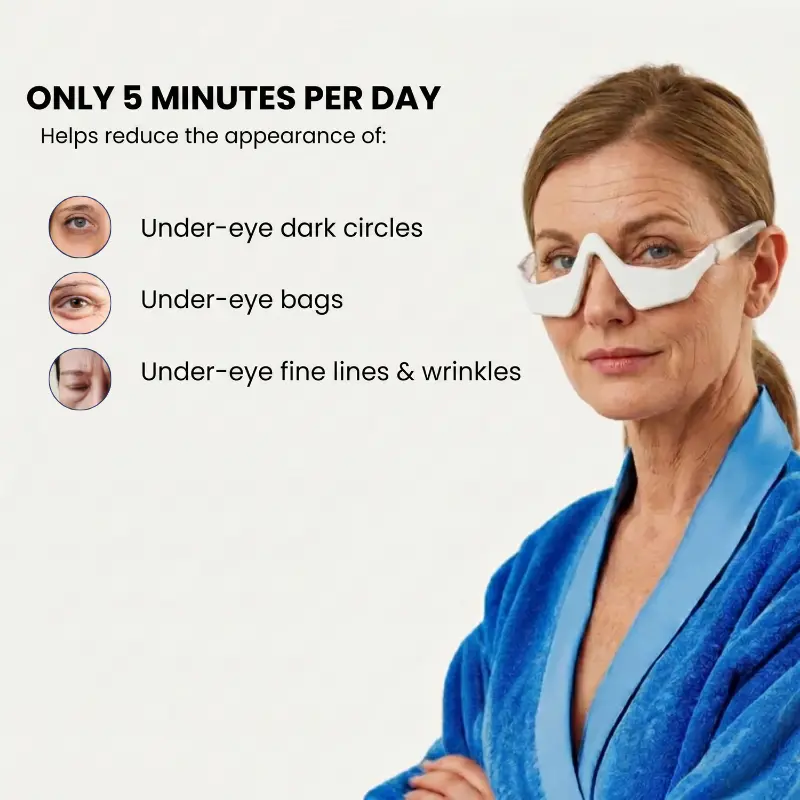
LED Eye Mask & Electric Compress for Women 45+ • 3D Eye Beauty™
Designed for women over 45, combining red light therapy, gentle EMS microcurrent and soothing warmth to help reduce the appearance of puffiness, dark circles and fine lines.
Frequently asked questions
Why does menopause cause hot flashes and how can they be naturally reduced?
Hot flashes are caused by declining estrogen levels, which confuse the hypothalamus—the body's thermostat. To reduce them naturally, limit triggers like caffeine, alcohol, and spicy foods, wear layered clothing, and drink cool water throughout the day.
How does menopause affect the skin around the eyes?
The reduction in estrogen slows collagen production, making the skin thinner and drier. The eye area, which is already naturally thin, loses elasticity quickly, leading to fine lines, puffiness, and darker circles due to fatigue.
Are there gentle tech solutions to help relax and refresh the eyes during menopause?
Yes, red light phototherapy and gentle thermal compression (thermotherapy) are non-invasive solutions. They help stimulate natural collagen, soothe tired eyes, and reduce puffiness while offering a relaxing moment.