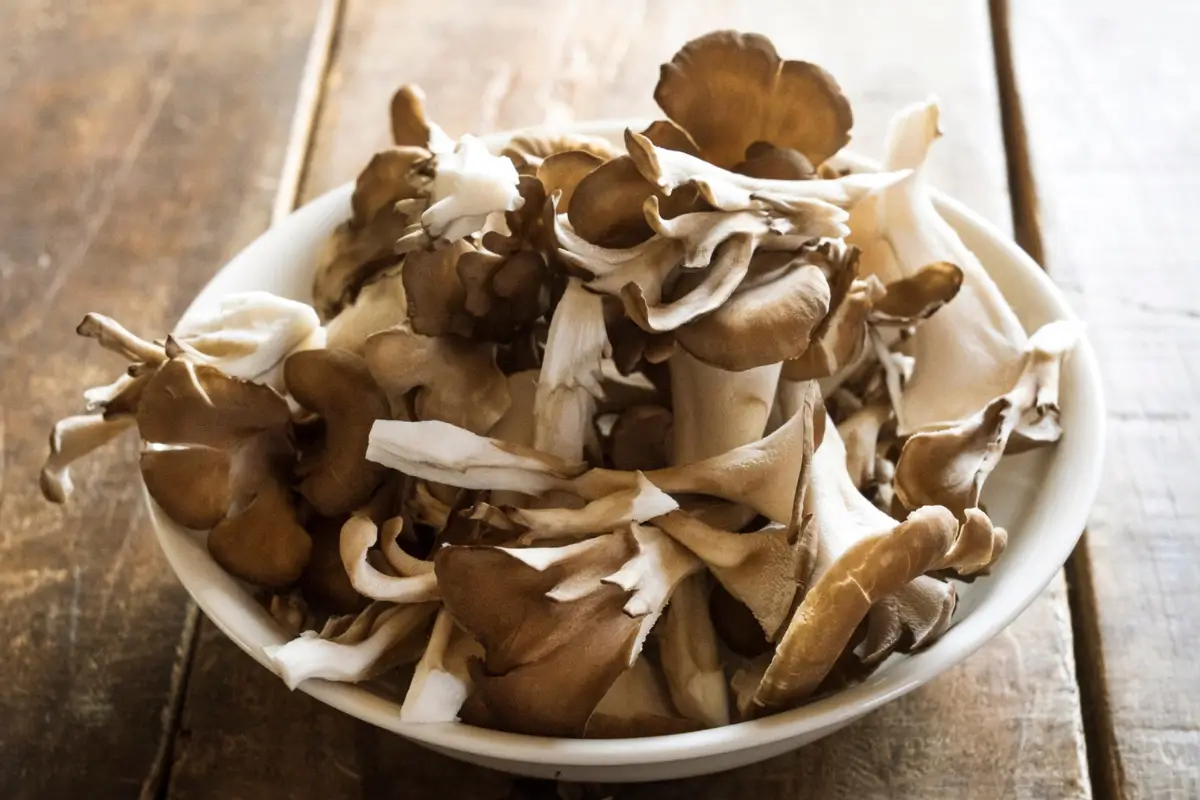
Among the many medicinal mushrooms that have earned scientific attention, maitake stands out for its remarkable, wide-ranging properties. Native to Asia, Grifola frondosa — maitake's scientific name — typically grows at the base of oak trees. Prized in Japanese traditional medicine for centuries, it's celebrated for its adaptogenic, immune-stimulating and balancing effects, and it happens to taste excellent in the kitchen too.
A Treasure of Asian Medicine
Maitake is a medicinal mushroom that has been revered in China and Japan for centuries. In traditional pharmacopoeias across Asia, it has long been used as a potent remedy against various ailments — and its effectiveness is now recognised globally. Its appeal isn't limited to medicinal benefits; it's also a culinary delight, enjoyed in many savoury dishes.
Why Maitake Might Be Right for You
- Immune system support: rich in beta-glucans (D-fraction, MD-fraction), maitake stimulates macrophages, T-lymphocytes and NK cells — the frontline forces of your defences.
- Anti-inflammatory and antioxidant properties: its extracts inhibit the enzymes involved in oxidative stress (COX) and pro-inflammatory cytokines, comparable in some respects to conventional anti-inflammatories.
- Potential anti-cancer effects: numerous studies show a slowing of tumour growth and, in some cases, improved efficacy of treatments like chemotherapy.
- Blood sugar regulation: by inhibiting the alpha-glucosidase enzyme, maitake supports healthy glucose regulation.
- Neuroprotective and anti-ageing: in vitro and in vivo research points to a reduction in oxidative stress.
Maitake is particularly valued for its beneficial effects on liver function. It acts as a devoted ally — not only supporting liver detoxification, but also protecting this vital organ by strengthening its capacity to eliminate accumulated toxins. Rich in powerful antioxidants, maitake helps you maintain your vitality and wellbeing day to day.
A Natural Metabolic Regulator
Beyond its liver-supporting properties, maitake plays an important role in weight management. It works to balance fat metabolism while helping stabilise blood sugar levels — making it a potentially valuable part of any strategy for maintaining a healthy body composition. Thanks to its natural composition and effectiveness, maitake presents an appealing option for those looking to maintain or reach their ideal weight without resorting to extreme or artificial methods.
Precautions and Considerations
Even though maitake is highly beneficial, it's important to approach it with care. If you're new to this mushroom, it's wise to start gradually and pay close attention to how your body responds — allergic reactions, though rare, can occur. It's always better to be cautious. Consult a healthcare professional before incorporating maitake into your daily routine to ensure safe and appropriate use — particularly if you take blood sugar-lowering medication, as maitake may have additive effects.

Your eyes are exhausted. Your mind won't stop. EyZa™ gives you back the nights you've been missing. • EyZa™
In 15 minutes, EyZa™ dissolves the eye tension and mental overload that keeps you awake, so you can finally sleep like you used to.
Frequently asked questions
What makes maitake different from other medicinal mushrooms?
Maitake is particularly rich in specific beta-glucan fractions (D-fraction and MD-fraction) that have been extensively studied for their immune-modulating and blood sugar-regulating effects. Unlike reishi (more calming) or cordyceps (more energising), maitake has a broader metabolic profile, making it suitable for a wider range of health goals.
Can maitake help with blood sugar management?
Yes — maitake contains alpha-glucosidase inhibitors that help slow glucose absorption, contributing to more stable blood sugar levels. This is particularly relevant for women during perimenopause, when insulin sensitivity often declines. However, if you're on diabetes medication, consult your doctor before supplementing.
How do I take maitake and in what form?
Maitake is available as standardised extracts (capsules or powder), which ensure consistent beta-glucan content. It can also be consumed as a culinary mushroom (fresh or dried). For immune and metabolic support, extracts are more reliable. A typical supplementation course lasts 4 to 8 weeks.